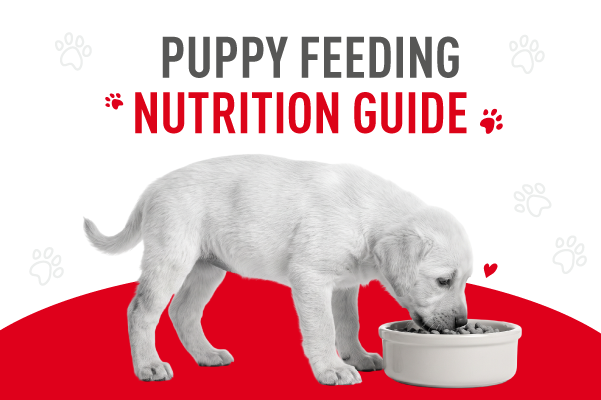
Puppy Feeding Nutrition Guide
The early months of your puppy’s life are an exciting and important time—not just for your puppy but for their new owner too. As they pass their first birthday and move towards their second, by which point all breeds will have reached adulthood, your puppy is still facing huge changes, growth and new experiences. Bringing home your new pet involves plenty of research. Feeding is an important part of that. This puppy feeding guide will give you the information you need to make the best choices for your puppy’s diet in their crucial first months, helping to set them up for a long and healthy life.
Why is your puppy's diet so important?
The first year of your puppy's life is a period of rapid growth and development. During this time, their bones, muscles, digestive system, and immune system are still developing, making proper nutrition essential. A complete and balanced puppy diet helps support healthy growth and lays the foundation for long-term wellbeing.
How are a puppy's nutritional needs different from an adult dogs?
Puppies require more energy than adult dogs to support their growth and daily activities. Their diet should contain the right balance of nutrients, particularly calcium and phosphorus, to help build strong bones and teeth. Because puppies cannot effectively regulate their food intake, portion control is important to prevent excessive weight gain and future health issues.
How should puppies be fed as they grow?
A puppy's nutritional needs change as they mature. During the first month of life, puppies gradually transition from their mother's milk to solid food. As they continue growing, their feeding amounts and meal frequency should be adjusted according to their age, breed size, and expected adult weight. Smaller breeds generally reach adulthood sooner than larger breeds, which may continue growing for over a year. Regularly reviewing feeding guidelines and monitoring your puppy's body condition can help ensure they receive the appropriate nutrition at every stage.
What feeding habits should I encourage?
Consistency is key when feeding your puppy. Offering meals at the same times each day can help establish a healthy routine. Fresh drinking water should always be available and food bowls should be cleaned regularly. Avoid feeding table scraps or human food, as some foods may be unsuitable or harmful for dogs. A nutritionally balanced puppy diet is designed to provide everything your growing puppy needs without additional treats or supplements unless recommended by your veterinarian.
Should I speak to a veterinarian about my puppy's diet?
Every puppy is unique, and nutritional requirements can vary depending on breed, size, growth rate, and lifestyle. If you are unsure about how much or what type of food to feed your puppy, your veterinarian can provide personalized recommendations to help support healthy growth and development.